
Language icon PT

Variedade

08-02-2024

OLED vs. LCD Display - Discover the Differences between Phone screens

OLED vs. LCD Display - Discover the Differences between Phone screens

In the rapidly evolving technological world, display technologies continue to advance. LCD and OLED have significantly enhanced our viewing experiences. But what are the exact differences between these two technologies and how do they impact screen quality? This blog takes an in-depth look into the world of LCD and OLED, revealing which technology excels in image quality.


What is OLED Technology?

OLED stands for Organic Light-Emitting Diode, an advanced screen technology that utilizes organic materials to emit light when an electrical current is applied. This allows the screen to display deeper black tones, as pixels can be completely turned off. The result is high contrast and vibrant colors. Unlike traditional screen technologies such as LCD, OLED displays do not require backlighting.


OLED is often employed in high-end smartphones, televisions, and other electronic devices due to its impressive image quality and design flexibility.


What is LCD Technology?

LCD stands for Liquid Crystal Display, a screen technology that uses liquid crystals to display images. In an LCD screen, each pixel consists of multiple layers, including liquid crystals placed between two glass plates. When an electrical current is applied to the liquid crystals, they can change their orientation, allowing light to pass through or block it, creating various colors and images.


LCD technology is widely used in smartphones, televisions, monitors, and other electronic devices due to its cost-effectiveness and widespread availability in various formats. Devices such as iPhone 8, iPhone XR, and iPhone 11 utilize an LCD display.


OLED vs LCD Screen


The differences between OLED and LCD

The distinctions between OLED and LCD screen technologies lie in image quality, design, lifespan, power consumption, and price. Here are the differences outlined:


1. Backlighting:

  • OLED: No backlighting is needed. Each pixel emits light independently, resulting in deeper black tones and high contrast.
  • LCD: Requires backlighting to illuminate the screen. This can lead to less deep black tones and limited contrast.


2. Contrast and Color Reproduction:

  • OLED: Offers improved contrast by dynamically managing individual pixels, resulting in vibrant colors and deeper black tones.
  • LCD: Depends on backlighting, which may result in less deep black tones and potentially less vibrant colors.


3. Flexibility and Thinness:

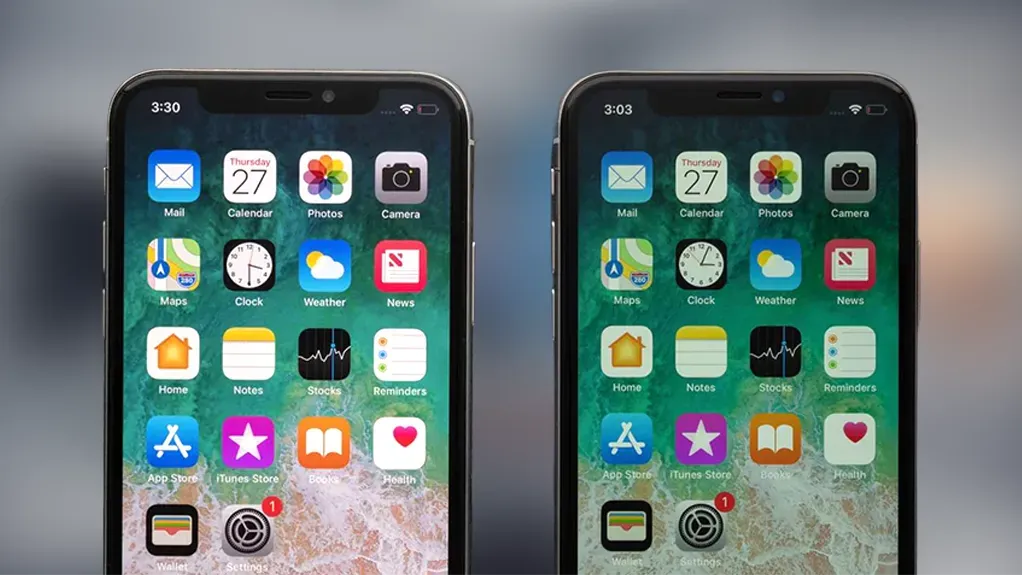
  • OLED: Can be flexible and produced in curved or thin forms, allowing for thin profiles. Both Hard OLED and Soft OLED are available for iPhone screens.
  • LCD: This is somewhat less flexible and often thicker compared to OLED screens.


4. Viewing Angles:

  • OLED: Provides wide viewing angles with consistent color and brightness levels, regardless of the viewing position.
  • LCD: Viewing angles may be more limited, with potential color shifts at extreme angles.

A wide viewing angle is crucial for displays that are only sometimes viewed head-on. Wide viewing angles ensure that images on the screen remain consistent and maintain quality, regardless of the viewer's angle.


5. Power Consumption:

  • OLED: Consumes less energy when displaying dark images since black pixels are completely turned off.
  • LCD: Constantly consumes energy, regardless of the displayed content, due to the ever-present backlighting.


6. Lifespan:

  • OLED: Depends on usage. An OLED screen displaying static images for extended periods may not have the same lifespan as a screen constantly showing dynamic, moving images.
  • LCD: Generally, an LCD screen has a longer lifespan and is less susceptible to burn-in. Most LCD screens offer reliable performance for around 7 years.


5. Price:

  • OLED: The production of OLED panels is currently more expensive than that of LCD panels. The production processes and materials for OLED are more complex and costly.
  • LCD: Generally, LCD panels are cheaper to produce, which can reduce the initial costs of LCD screens.


What is the Best Choice: OLED or LCD?

OLED is generally more expensive but offers superior image quality and design flexibility. On the other hand, LCD screens are often more affordable and used in a broader range of devices, making them a more cost-effective option depending on consumers' needs and budgets. Ultimately, determining which technology is better is challenging.


OLED is typically considered the newer and more advanced display technology, but LCD still has much to offer, especially with new developments addressing some of its shortcomings. In terms of resolution and price, there are various options, and there's no clear winner. So, the best technology depends on various factors such as price, personal preferences, intended applications, and other individual preferences.


If you have any questions about the differences between OLED and LCD screen technologies or any other inquiries, feel free to send us a message via support. We are ready to assist you quickly and effectively.

FDX LITE

FDX LITE

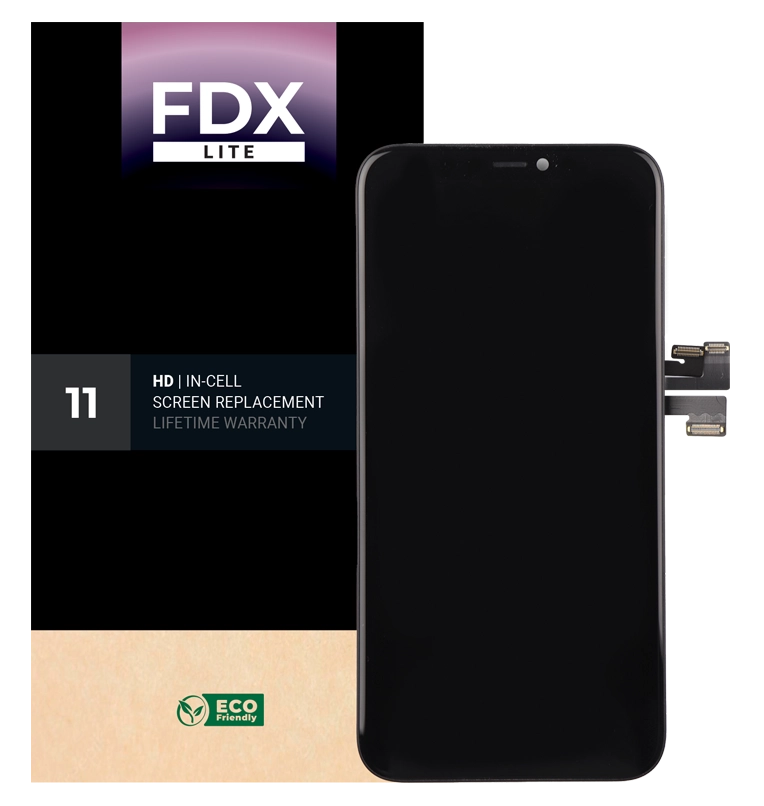
Para oferecer aos nossos clientes uma opção acessível, apresentamos o FDX Lite. Estas telas têm uma resolução HD e oferecem a melhor qualidade dentro deste segmento de preço. Embora realizemos rigorosos controles de qualidade, não temos influência sobre o processo de produção. As telas FDX Lite vêm com garantia de fábrica, mas danos no interior da tela não são cobertos pela garantia.
Features FDX LITE
Pixel resolution High Definition (HD)
Refresh rate Fast response
Includes Camera holder, earpiece mesh and proximity bracket
Temperature Low and controlled
360° Polarized Supported
Oil resistant coating Supported
Anti-glare Supported
Front Glass Anti-dust and fingerprint oil
Inspection Tested before shipment
Warranty Covered
service-pack
Estas peças são originais e fabricadas em ambiente certificado pelo fabricante original do dispositivo.
pulled
Essas peças são 100% autênticas e passam por testes e inspeção rigorosos após serem removidas de um dispositivo usado original.
refurbished
Essas peças foram removidas de um telefone usado original, mas o vidro frontal foi substituído por um vidro equivalente ao original, enquanto todos os outros materiais permaneceram autênticos.
oem-equivalent
Essas peças são montadas profissionalmente por terceiros usando componentes e materiais equivalentes aos do fabricante original.
fdx-ultra
O Soft OLED é uma solução LTPS-OLED de alta qualidade que oferece uma excelente relação qualidade-preço. Graças ao seu design COP flexível, o ecrã é fino, leve e menos propenso a avarias, ao mesmo tempo que oferece imagens brilhantes e vibrantes com uma qualidade próxima da dos equipamentos originais (OEM). A resposta ao toque é rápida e precisa, e cada lote é cuidadosamente testado quanto à cor, estabilidade e desempenho. Isto permite que os técnicos de reparação profissionais confiem numa qualidade consistente, alta compatibilidade e um ecrã fiável com aparência premium, sem o preço premium.
fdx-pro
O Hard OLED é uma solução OLED acessível que combina imagens nítidas e brilhantes a um preço competitivo. O painel COF rígido oferece uma construção sólida que garante um bom desempenho na utilização diária. As cores são vibrantes, o brilho é intenso e a resposta ao toque mantém-se precisa. Cada lote é verificado quanto à estabilidade, uniformidade e sensibilidade, garantindo que os técnicos podem confiar na qualidade consistente. O Hard OLED é ideal para clientes que desejam um preço competitivo sem sacrificar o desempenho fiável e a clareza visual.
fdx-elite
FDX Elite é o nosso produto premium, no qual trabalhamos em estreita colaboração com o fabricante para otimizar a qualidade. Fazemos melhorias com base no feedback dos clientes e na nossa própria experiência. Devido à nossa influência direta no processo de produção, temos total confiança na qualidade. Por isso, oferecemos uma garantia abrangente para estas telas: até mesmo danos internos (que normalmente não são cobertos pela garantia) estão incluídos. No entanto, se houver danos visíveis a olho nu, tanto no interior como no exterior, a garantia será anulada. A nossa tela FDX Elite tem resolução FHD+ e será a opção mais cara devido ao seu valor agregado e à garantia ampliada. Com essa qualidade e serviço, buscamos proporcionar uma experiência sem preocupações aos nossos clientes.
fdx-prime
FDX Prime representa o padrão de qualidade in-cell comprado diretamente do fabricante, assim como outros fornecedores no mercado. A seleção do fabricante depende da qualidade do lote de produção, e os produtos atendem aos mais altos padrões de qualidade in-cell do mercado. As telas FDX Prime têm resolução FHD e vêm com garantia de fábrica padrão. Isso significa que danos no interior da tela não são cobertos pela garantia.

Entrar em contato

Estamos disponíveis de segunda a sexta das 09:00 - 17:00 (CET)