 PL
PL


OLED vs LCD screen repair: 3 key things mobile repair technicians should pay attention to
17-03-2026 • Czas czytania: 4 min
For many mobile repair technicians, screen repairs are part of everyday work. But not every screen works the same way. The difference between OLED and LCD has a big impact on how a repair is performed. As more smartphones are released with OLED displays, we notice that technicians increasingly have questions about the differences in repair process, costs, and risks. In this blog, we outline the key points for you.
LCD vs OLED: what’s the difference?
Before replacing a screen, it helps to understand how the display works technically.
- LCD (Liquid Crystal Display) uses a backlight. The screen itself doesn’t produce light but controls how light passes through liquid crystals.
- OLED (Organic Light Emitting Diode) works differently. Each individual pixel produces its own light, which allows OLED screens to be thinner and deliver deeper blacks.
For repair technicians, this means the internal structure of the display is completely different, which also affects how the repair is performed.
What this means for screen repairs

1. OLED screens are more sensitive during repairs
OLED panels are thinner and more flexible. That’s great for the design of the phone, but it can make repairs more delicate. A few things to keep in mind:
- OLED screens can crack more easily if too much pressure is applied
- Heat needs to be applied more precisely during the repair
- Flex cables are often more fragile
With some models (for example recent Samsung or iPhone devices), even a small mistake can result in lines on the display or black spots appearing on the screen.

2. LCD repairs are less fragile
LCD screens are generally a bit thicker and include a backlight layer. This often makes them less delicate during disassembly.
That doesn’t mean they can’t break, but in practice many repair technicians notice that LCD repairs:
- Are faster to complete
- Carry less risk of pixel damage
- Are easier to test during installation
For older or budget devices, LCD screens therefore remain a practical and reliable option.

3. OLED screens are more expensive
An important difference for both repair technicians and customers is the price. OLED panels are more complex to manufacture, which makes them more expensive than LCD alternatives. This is often reflected in the final repair cost.
In some cases, customers therefore choose:
- An affordable FDX Ultra screen
- An LCD alternative for a device that originally had an OLED display
As a repair technician, it is useful to offer both options so that customers can make their own choice.
Quality differences between screen types
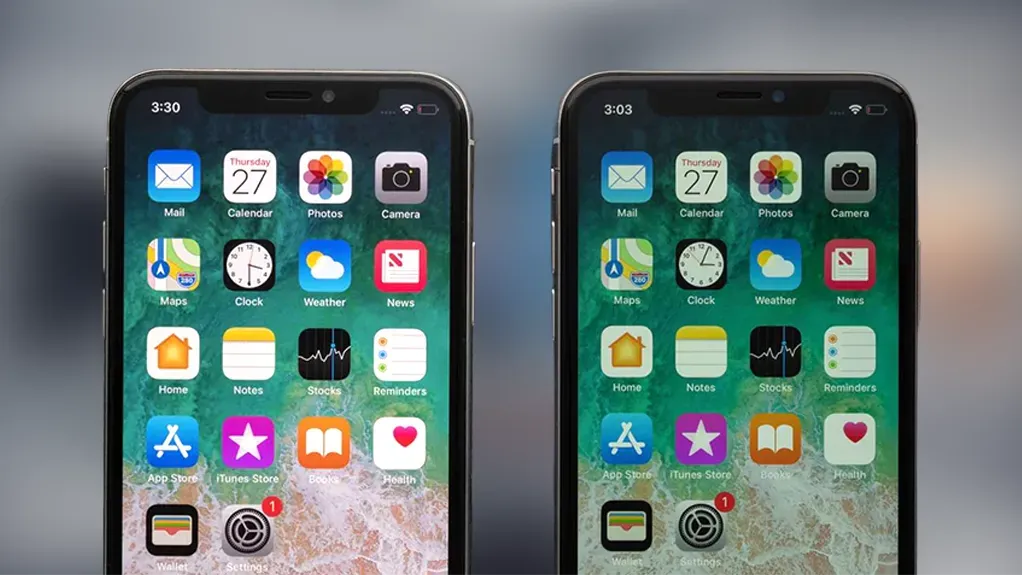
Not every display is the same. With OLED screens, you can often see differences in:
- Brightness
- Color reproduction
- Touch responsiveness
- Power consumption
A high-quality screen can make the difference between a customer who returns and one who complains about battery drain or poor colors. That’s why many repair technicians choose suppliers like Foneday, who consistently test and check their parts before delivery.

Face ID and fingerprint sensors
OLED screens often include additional technologies, such as:
- In-display fingerprint sensors
- CComplex sensor modules
- Face ID components
On some devices, incorrect installation can cause these functions to stop working. To avoid this, always make sure to:
- Transfer the original sensors
- Work carefully around the flex cables
- Test all functions after installation
Spending a few extra minutes on testing can save you a lot of time later.
Conclusion
OLED screens are becoming increasingly common in modern smartphones, which means the work of mobile repair technicians is evolving as well. OLED displays are thinner and offer better image quality, but they are also more sensitive and more expensive. LCD screens, on the other hand, are often more durable and a more affordable alternative. For repair technicians, it’s important to understand both screen types and keep the right parts in stock. That way, you can always offer customers a solution that fits their needs and budget.
Stay up to date with the latest developments and updates by reading our blogs and following us on LinkedIn.