

 FI
FI


Back to basics: What does a phone consist of?
31-07-2024 • Lukuaika: 4 min

As a phone technician, you know better than anyone how important it is to know exactly how a phone is put together. In this blog, we'll refresh your knowledge on the most important parts of a cell phone, from both the outside and inside. This refresher can help you solve problems even faster and better and further sharpen your repair skills. Read on to get clear once again how each part plays its own role in the whole.
The main components in brief
The main components of a phone are: the casing, the screen, and the battery. Inside you will find the motherboard, which is full of important components such as the processor, graphics chip, RAM, storage, and various ICs (Integrated Circuits). In addition, you have the cameras, speakers, microphones and various sensors. For connectivity, there are antennas for mobile network, Wi-Fi, Bluetooth, GPS, and charging connectors.
The operating system, such as Android or iOS, and the apps provide the interface and all the functions of the phone.
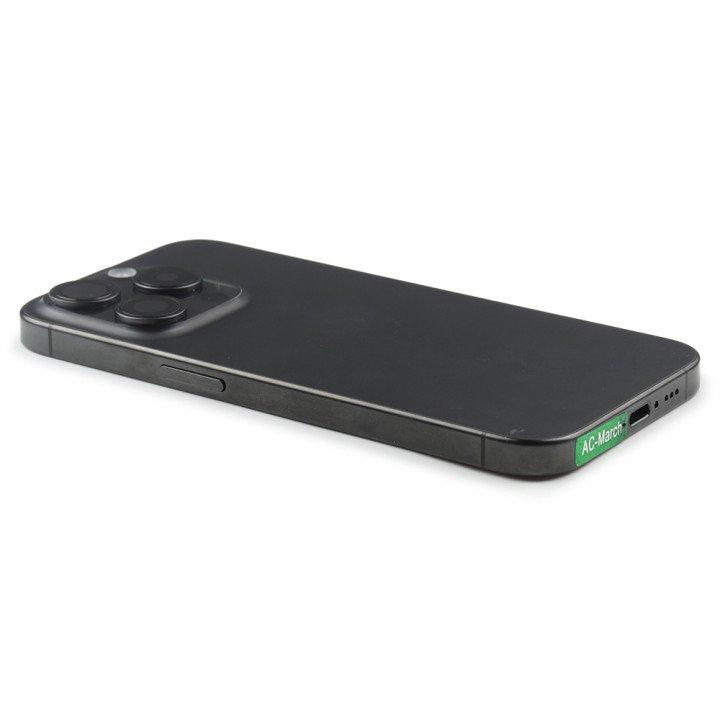 Housing
The housing of a phone is the external shell that protects the internal parts of the device. It is usually made of materials such as plastic, metal or glass and ensures that the hardware is safely stored. The casing contains the motherboard and most of the phone's other components, which is the case with almost every model. In addition, the casing defines the look of the phone and provides access to buttons, ports and cameras.
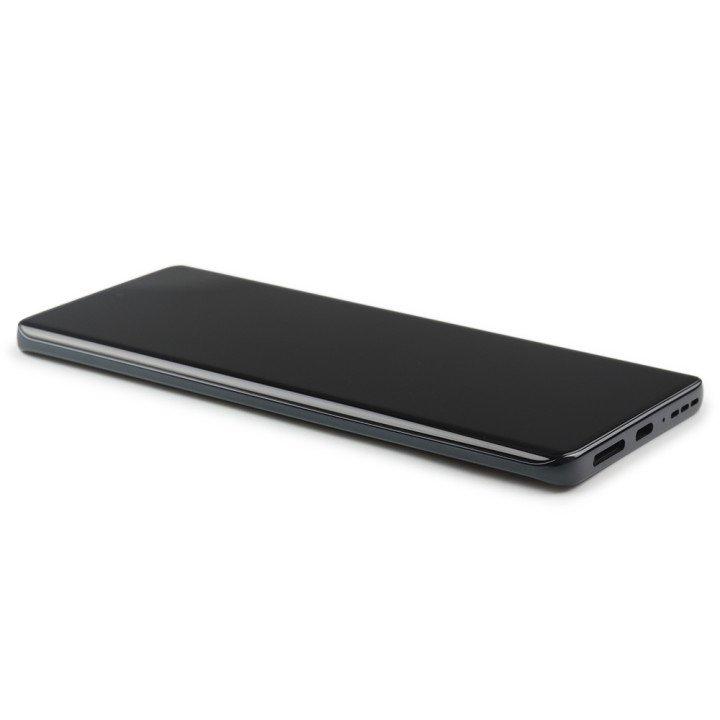
Display
The screen of a cell phone is the display where all the info can be seen. It usually consists of a glass panel with a digital screen such as LCD or OLED. This screen shows text, photos, videos and the interface of apps and settings.
Check out our other blog to learn more about LCD and OLED.
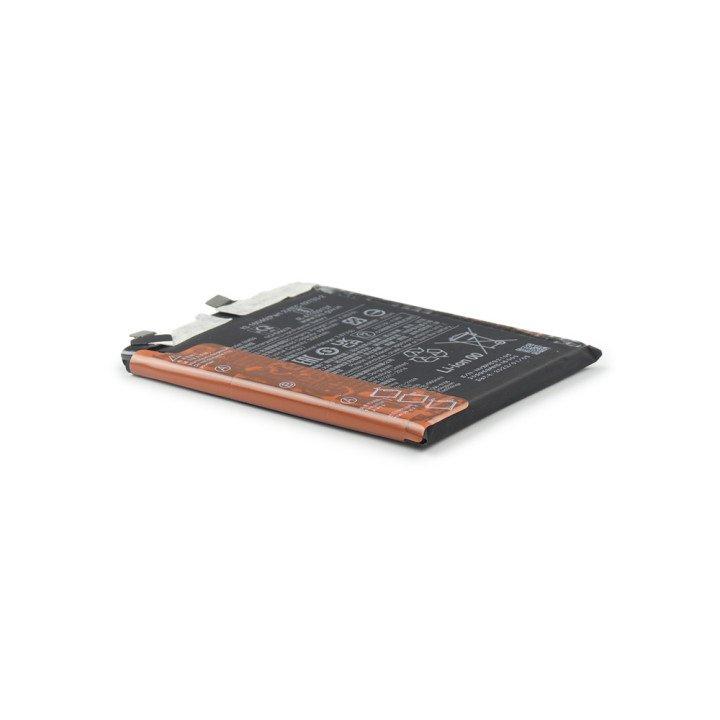 Battery
The battery is the lifeblood of the phone. Usually a lithium-ion or lithium-polymer battery, this component provides the phone with the energy it needs to function. A good battery provides longer usage time and better performance.
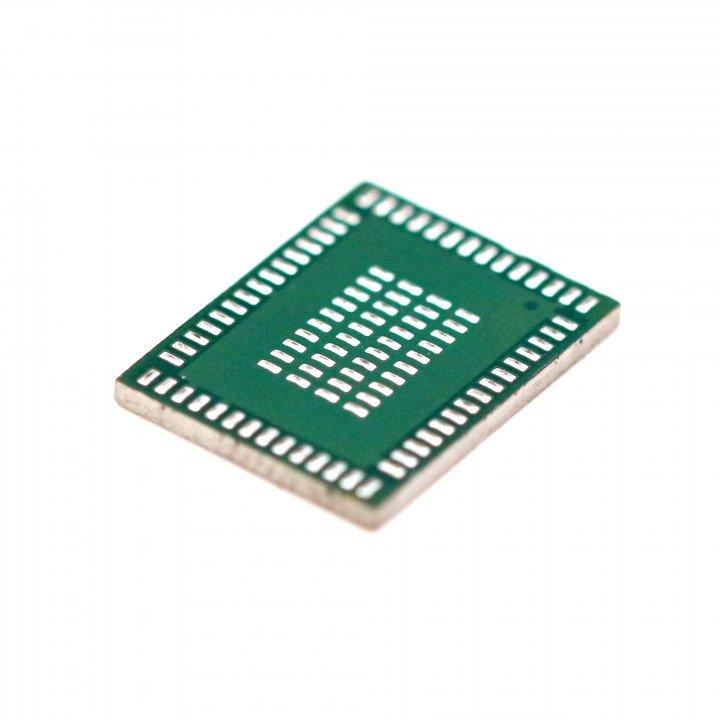
IC
An IC (Integrated Circuit) in a cell phone is a small but important component that gathers various electronic components and circuits on a single chip. These ICs perform various tasks, such as managing the power supply, processing signals, coordinating communication between different parts of the phone, and supporting various hardware functions.
There are different types of ICs in a cell phone, including:
- SoC (System on a Chip): Contains the CPU, GPU, modem, and other important components for the operation of the phone.
- Power Management IC: Manages power supply and battery management.
- Baseband IC: Handles mobile communications, such as calling and data transmission.
- Audio IC: Handles audio signals for voice and music.
These ICs are essential to the operation of the phone by coordinating the various functions and communications between hardware components.
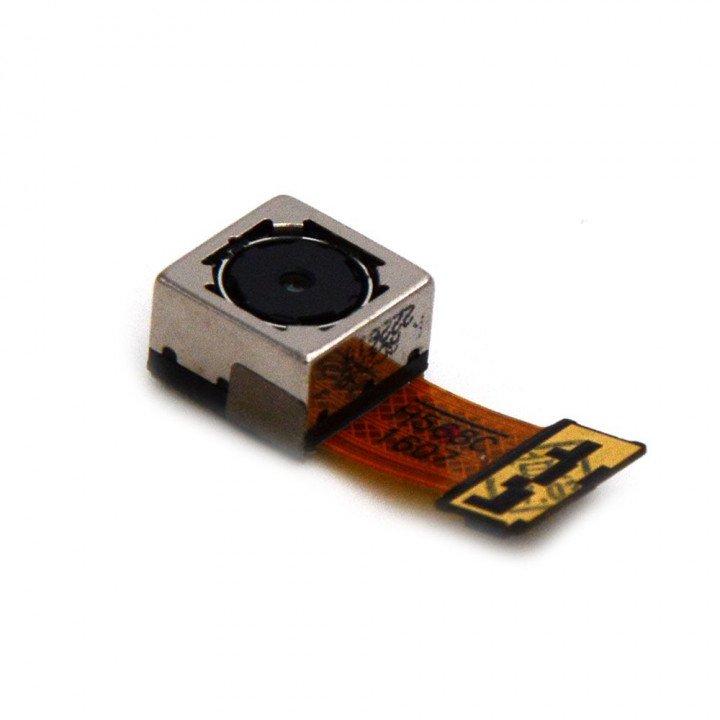
Camera's
Modern smartphones have multiple cameras on both the front and back. These cameras differ in quality and features. They can take sharp photos and videos and support advanced features such as facial recognition.
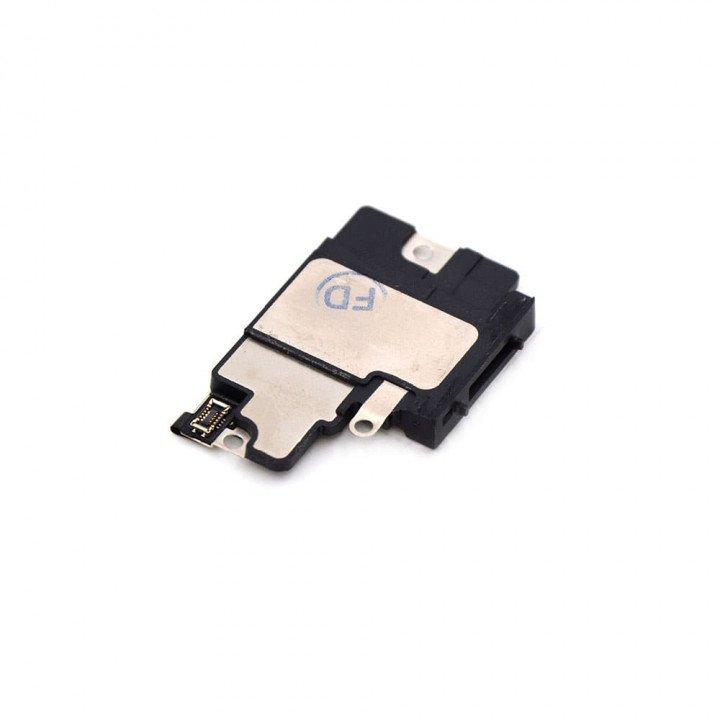
Speaker and Microphone
The speaker and microphone allow you to have audio on your phone. The speaker plays sound, while the microphone picks up your voice and other sounds. These parts are needed for making calls, voice commands, and using multimedia.
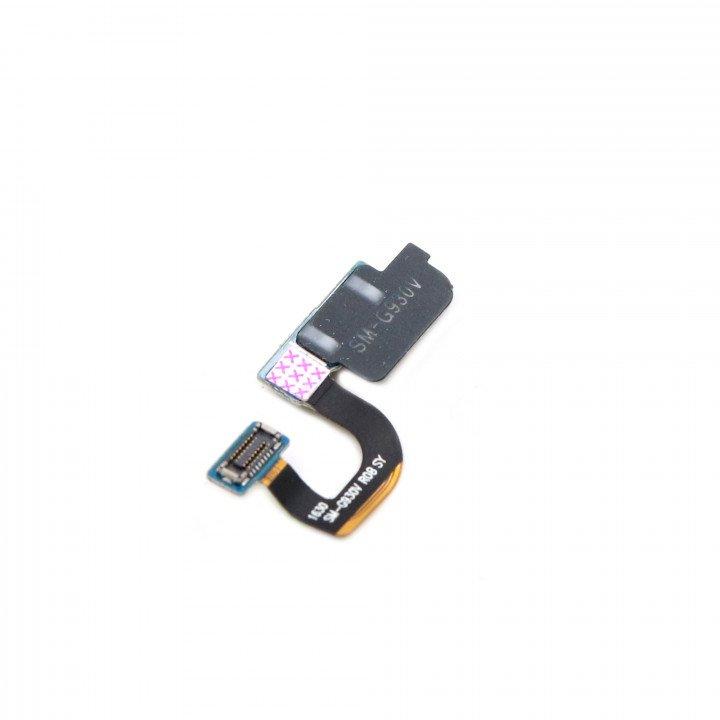
Sensors
Phones are full of different sensors, such as the accelerometer, gyroscope, proximity sensor, and light sensor. These sensors enhance the user experience by, for example, automatically adjusting the screen brightness or rotating the screen.
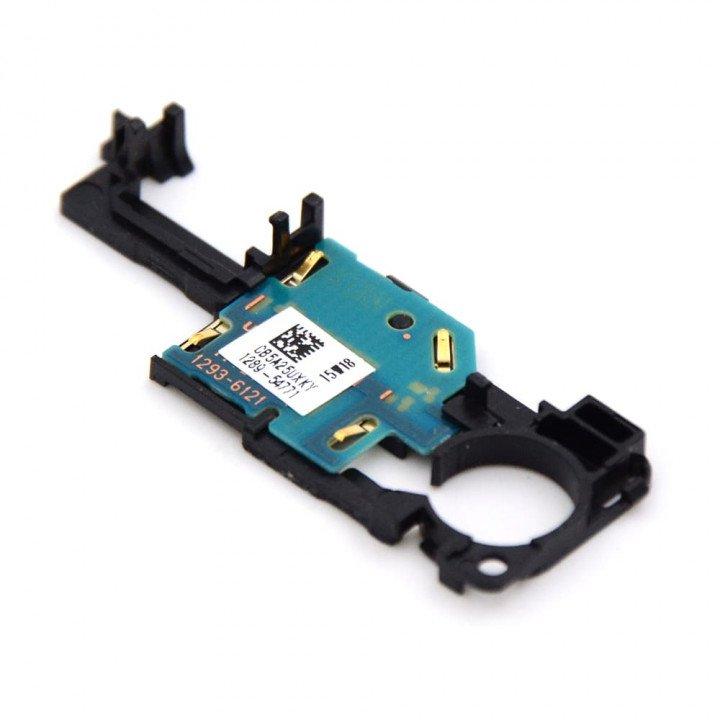
Connectivity
For communication and data transfer, there are several connectivity options available, such as antennas for cellular networks, Wi-Fi, Bluetooth, and GPS. In addition, you have the SIM card slot for network connectivity, charging connectors to charge the device by connecting it to a power source, and a main flex cable to connect internal components so that the phone functions properly.
Keep up with the latest developments and updates by following our blogs and following us at LinkedIn.


